1
Rodent-Contaminated Attic Insulation
Serious Roof rats nest in attic insulation and leave droppings and urine behind. They tunnel through batts and loose-fill and flatten it. Contaminated insulation smells, loses much of its R-value, and can carry pathogens into the air of the home below, especially through leaky ducts.
Why it happens here Roof rats are everywhere in San Diego. Canyon vegetation, palm trees, citrus, and ivy give them food and a direct route to rooftops. Mild winters mean populations never really die back. Older homes have damaged vent screens and gaps at the eaves, and tile roofs leave openings at the eaves and ridges that rats use. Attics with ducts and warm insulation make ideal nesting spots. Once rats are inside, the contamination spreads across the attic quickly, and spot cleanup rarely solves it.
Signs to watch for - Scratching or scurrying overhead at night
- Musty or ammonia-like odor in upstairs rooms
- Droppings visible near the attic hatch
- Tunnels or flattened trails through insulation
- Chewed wiring or flex duct
- Unexplained allergy flare-ups
Local patterns We see this constantly in canyon-adjacent homes in Kensington, Tierrasanta, Mission Hills, and Scripps Ranch, plus older Clairemont tracts near open space. Activity picks up in fall and winter when rats move indoors.
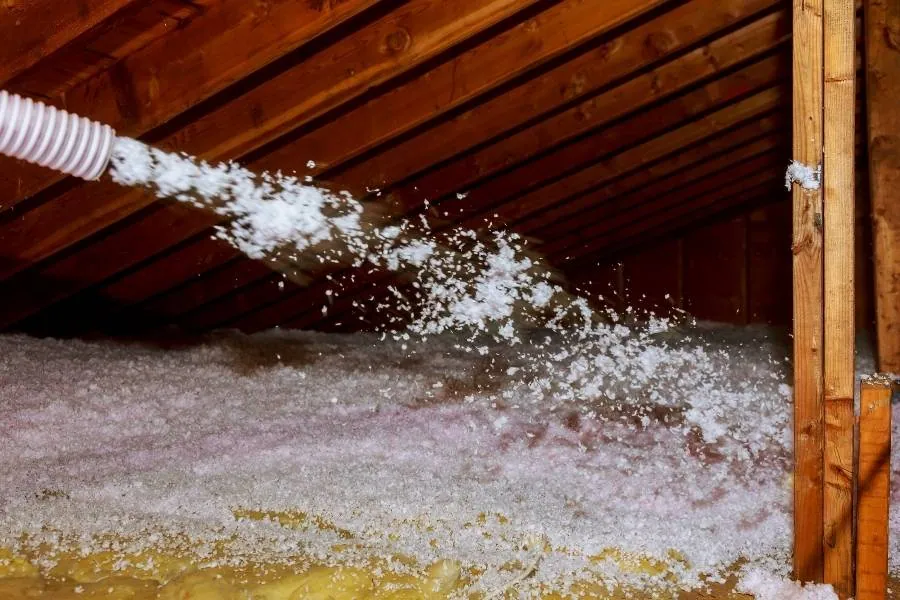
Our fix Full insulation removal with HEPA vacuums, attic sanitizing and deodorizing, sealing rodent entry points, then new blown-in insulation installed to Title 24 R-value targets.
2
Thin, Settled Insulation in Post-War Tract Homes
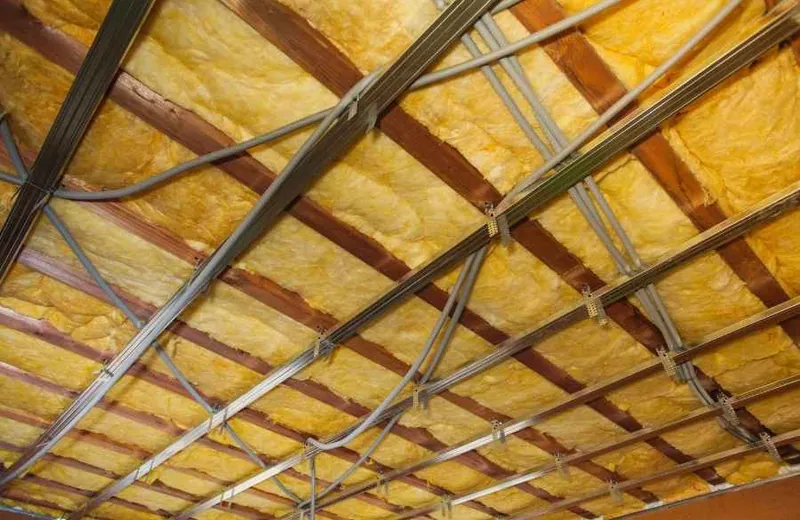
Moderate These attics still have their original 1950s–70s fiberglass batts or rock wool, usually R-11 or less to begin with and compressed over the decades. Current code targets around R-49. That gap lets a lot of heat pour into living spaces.
Why it happens here Most of San Diego's mid-century tract housing was built quickly and with very little insulation, back when electricity was cheap and many homes had no central AC. Low-pitch roofs make these attics cramped and hard to reach, so many owners never had them upgraded. Over decades, foot traffic from repairs, gravity, and dust compress the material even further. Add today's SDG&E rates and inland summer heat, and these homes cost more to cool than almost any other housing type in the city.
Signs to watch for - Insulation level below the top of ceiling joists
- Gray, dusty, or flattened batts
- Ceilings warm to the touch in summer
- AC runs nonstop on hot afternoons
- High summer SDG&E bills
- Cold rooms on winter nights
Local patterns This is typical in Clairemont, Allied Gardens, San Carlos, Serra Mesa, Del Cerro, and early Mira Mesa. Inland Zone 10 owners feel it most from July through October and during Santa Ana heat waves.
Our fix Air seal the ceiling plane, add baffles, and blow in fiberglass or cellulose over the existing layer up to R-38–R-49, depending on its condition and depth.
3
Overheating Bonus Rooms and Second Floors
Moderate In many two-story homes, the upstairs bedrooms and bonus rooms over garages run 8–15°F hotter than downstairs. The usual causes are kneewall gaps, missing insulation over the garage, and long duct runs through very hot attics.
Why it happens here Builders in 1980s–2000s master-planned communities often framed bonus rooms with complicated kneewalls and sloped ceilings, and those spots tend to get skipped or poorly insulated. Inland sun loads those roofs all afternoon, so heat stacks upstairs. Over the years, cable, solar, and HVAC crews have pushed insulation aside and left it that way. The result is upstairs rooms nobody wants to use in summer, even with the AC running.
Signs to watch for - Upstairs rooms much hotter than downstairs
- Bonus room unusable on summer afternoons
- Weak airflow from upstairs vents
- Warm walls and sloped ceilings
- Thermostat set very low to compensate
Local patterns We see this most in Rancho Peñasquitos, Carmel Valley, Scripps Ranch, Rancho Bernardo, and Mira Mesa's newer tracts, especially in west-facing rooms over garages.
Our fix Insulate and air-seal kneewalls and garage ceilings, top up the attic with blown-in insulation, and consider spray foam on hard-to-reach sloped sections.
4
Leaky, Uninsulated Attic Ductwork
Serious These are AC ducts running through the attic that leak, have collapsed or come apart, or have degraded insulation wrap. Cooled air ends up in a 130°F attic instead of your rooms, and hot, dusty attic air gets pulled back into the system.
Why it happens here Many San Diego homes had no central AC when they were built. When AC was added later, installers ran flex duct or duct board through the attic, often with minimal sealing. After decades of extreme attic heat, the flex jacket gets brittle, tape fails, and rodents chew through the ducts. Near the coast, salt air corrodes metal collars and fasteners. Duct losses of 20–30% are common in older systems.
Signs to watch for - Rooms that never cool down
- Dusty air coming from vents
- Disconnected or crushed flex duct
- Torn or brittle duct jackets
- Rising bills with no change in habits
- Rust on metal duct fittings near the coast
Local patterns Common in Point Loma, Pacific Beach, and La Jolla, where salt corrosion is a factor, and in inland ranch homes in Allied Gardens and San Carlos with AC added in the '80s and '90s.
Our fix Seal accessible duct connections, insulate or wrap ducts, and bury them under blown-in insulation where it makes sense. When HVAC work requires it, we coordinate permits and HERS verification.
5
Uninsulated Raised Floors and Damp Crawlspaces
Moderate In older homes on raised wood floors, the crawlspace underneath is vented and the floor above has no insulation. The result is cold floors, drafts, and humid air rising into the house, especially near the coast.
Why it happens here San Diego's pre-war bungalows and Spanish Revival homes were built on vented crawlspaces long before insulation codes existed. Near the coast, marine-layer humidity settles in these spaces, and expansive clay soils on mesas and canyon edges can shift foundations and open gaps. When the floor above is bare, winter nights feel cold and drafty, and musty air can drift up into the rooms.
Signs to watch for - Cold floors on winter mornings
- Musty smell indoors
- Drafts at baseboards
- Fallen or sagging old batts under the floor
- Damp soil or visible condensation in the crawlspace
Local patterns Typical of Craftsman homes in North Park, South Park, Kensington, and University Heights, and older cottages in Point Loma and Ocean Beach where coastal humidity is constant.
Our fix Install properly supported floor insulation, seal plumbing and wiring penetrations, and address vapor and moisture at the ground surface when conditions call for it.
6
Insulation Disturbed by Solar or Roof Work
Minor Installers walk through the attic, push insulation aside, and leave bare spots, crushed sections, and open penetrations. They rarely restore it afterward.
Why it happens here San Diego has some of the highest rooftop solar adoption in the country. Conduit runs, roof penetrations, and electrical upgrades all mean crews crawling through attics. Re-roofs and HVAC change-outs disturb insulation the same way. No one is assigned to put it back, so each project leaves a little more damage.
Signs to watch for - Bare drywall patches visible in the attic
- Footpaths through the insulation
- Gaps around new conduit or penetrations
- Uneven temperatures after a recent install
- Solar production covering less of your bill than expected
Local patterns Very common in Rancho Bernardo, Scripps Ranch, Carmel Valley, and 4S Ranch, where solar is widespread and attics are newer but heavily worked over.
Our fix Seal new penetrations, level and repair disturbed areas, and top up insulation to restore full, even coverage across the attic.
7
Unprotected Attic Vents in Wildfire Zones
Emergency These are standard vents with coarse screens, or damaged vents, in fire-prone canyon neighborhoods. Wind-blown embers can get through them into the attic and ignite insulation, framing, and stored items.
Why it happens here Many San Diego neighborhoods back onto brushy canyons inside the wildland-urban interface. During Santa Ana events, embers can travel a long way ahead of a fire front, and a lot of homes in past fires burned from the attic out. Older vents often have screens that are too coarse, rusted out, or torn by rodents. Chapter 7A calls for 1/8-inch mesh or WUI-listed vents in high-hazard zones.
Signs to watch for - Vent screens larger than 1/8 inch
- Rusted or torn vent mesh
- Gaps around eave and gable vents
- Dry debris piled near vents
- Home backs onto open canyon brush
Local patterns Most urgent in Tierrasanta, Scripps Ranch, Rancho Bernardo, San Carlos, and canyon-rim streets in Clairemont and Kensington, especially before fall Santa Ana season.
Our fix Swap vulnerable vents for ember-resistant, WUI-listed vents during insulation work, checking HOA or historic review requirements for exterior changes first.